
Organic Load
Hair, skin debris and saliva enter the water.
Engineered aqueous ozone treatment for cleaner pet-pool water with reduced dependence on conventional chemical treatment.

Warm recirculating water repeatedly receives animal-borne organic matter, odor load and microbial demand.
Hair, skin debris and saliva enter the water.
The same water serves pets throughout the operating cycle.
Filtration and sanitation must work together.
Conventional treatment adds handling and residual-management work.
Ozone-treated water follows a controlled serpentine path to increase effective contact time before returning to the pool.
Three baffles guide the water path while an off-gas connection supports controlled operation. Fabrication details remain in Advanced Engineering.
Calculated values are preliminary engineering estimates; commissioning measurements remain the source of truth.
Every option still depends on verified hydraulics, operating control and the applicable local pool requirements.
Maintains a disinfectant residual, but organic load can form chloramines and requires routine testing and chemical handling.
Electrolysis generates chlorine in the pool. Residual, pH and chlorinator-cell condition still require management.
No verified C, T10 or CT performance basis is present in the current engineering record. Measured validation is required.
Ambient-air feed requires drying and gas preparation. Humidity can increase nitrogen-oxide and corrosive by-product risk.
Thailand note: hot, humid ambient air increases the importance of feed-gas drying, conditioning and corrosion control.Water-fed electrolytic ozone with a repository-verified NOx-free product basis, selected against flow, transfer and contact performance.
IOU equivalence remains pending verification. BES will not infer performance without a documented output, transfer basis, dissolved C and effective contact time.
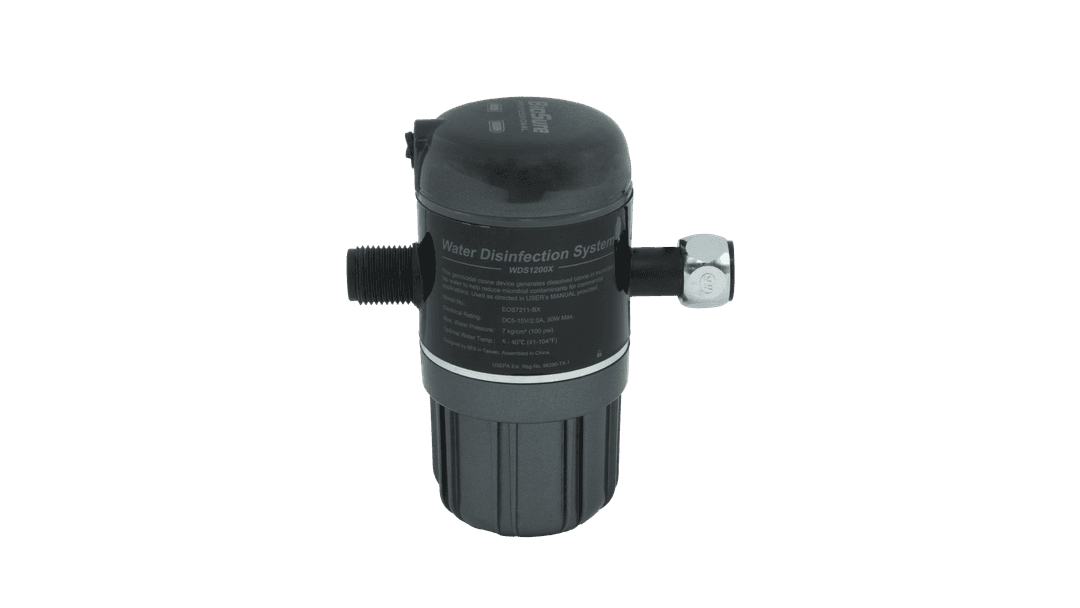
Automatic selection checks flow, design dose, transfer efficiency and model capacity. Final selection remains subject to site validation.
Commercial outputs use customer-entered, verified values only. No BES price is fabricated.
Enter the verified system and installation basis.
Service, electricity and EOG replacement remain visible.
Annual saving, payback and ROI appear only when inputs are complete.
Checking website access…

Detailed assumptions, contact-zone design, calculations and commissioning notes move into the report.
Start with pool volume and circulation flow, then validate contact performance and system fit.